Model Controversy
Does phase separation organize the nucleus?
A referenced synthesis of experiments on transcriptional hubs, heterochromatin, nuclear speckles and the nucleolus.
Evidence through
Main finding
Recent experiments seriously challenge bulk liquid–liquid phase separation (LLPS) as a general organizer of the nucleus. DNA binding and polymerase loading explain some transcriptional hubs, and local HP1α binding explains repression in the tested mouse chromocenters. Speckle scaffolds have specific roles in RNA processing. The nucleolus has strong physical evidence for phase-based organization that depends on ongoing RNA production and processing. Fallacaro et al. · Mukherjee et al. · Weinmann et al. · Małszycki et al. · Quinodoz et al.
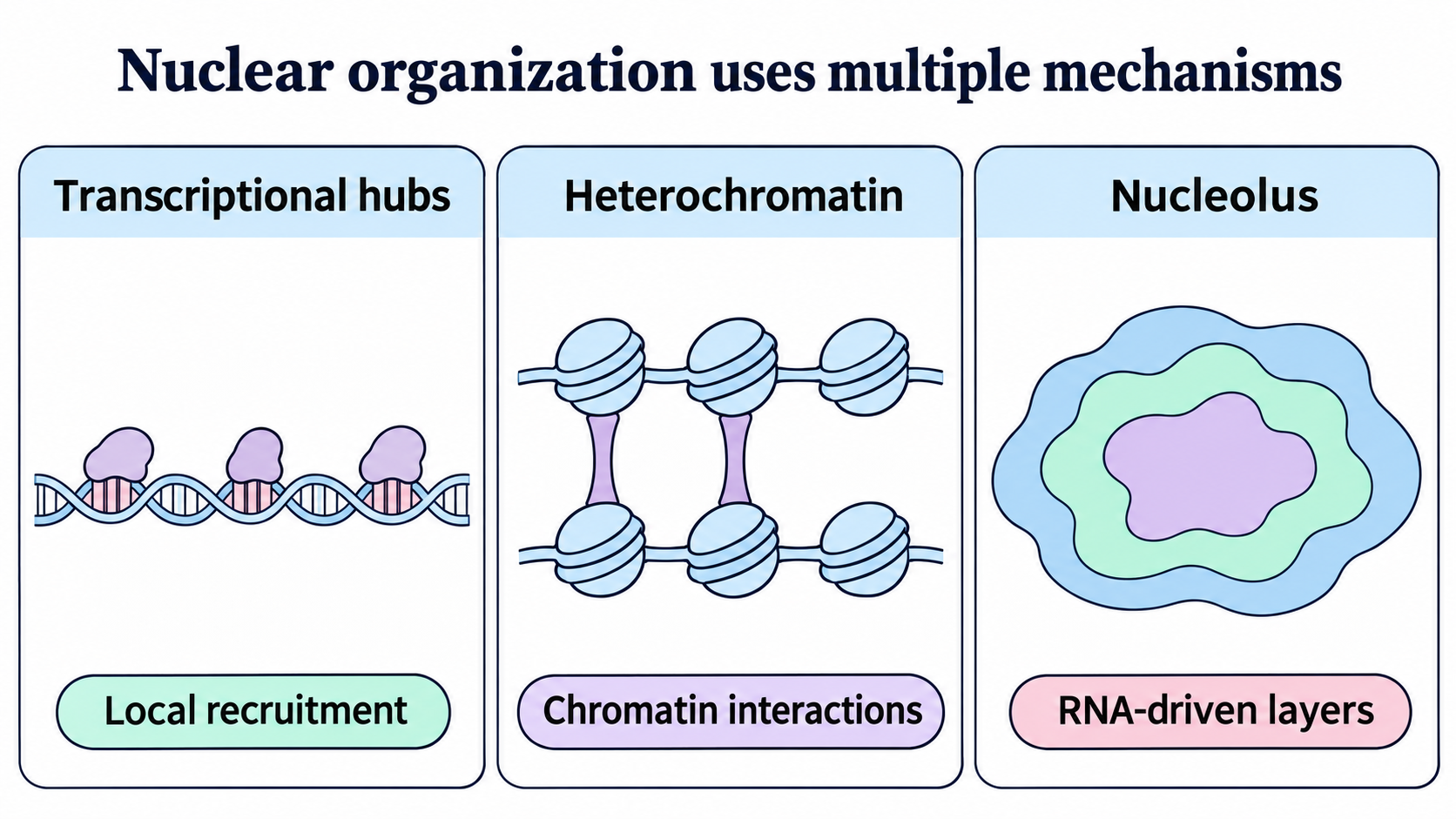
What the models propose
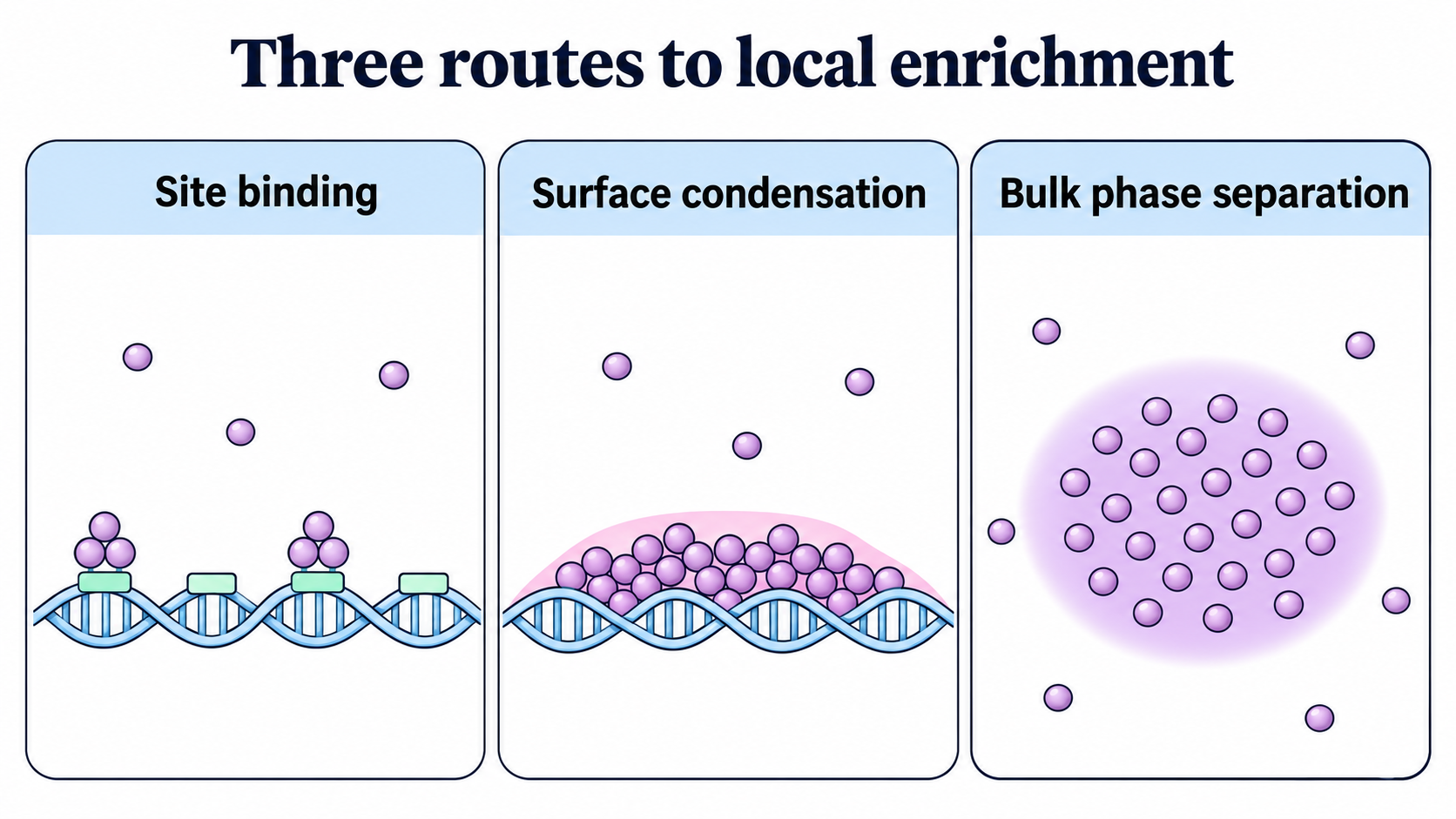
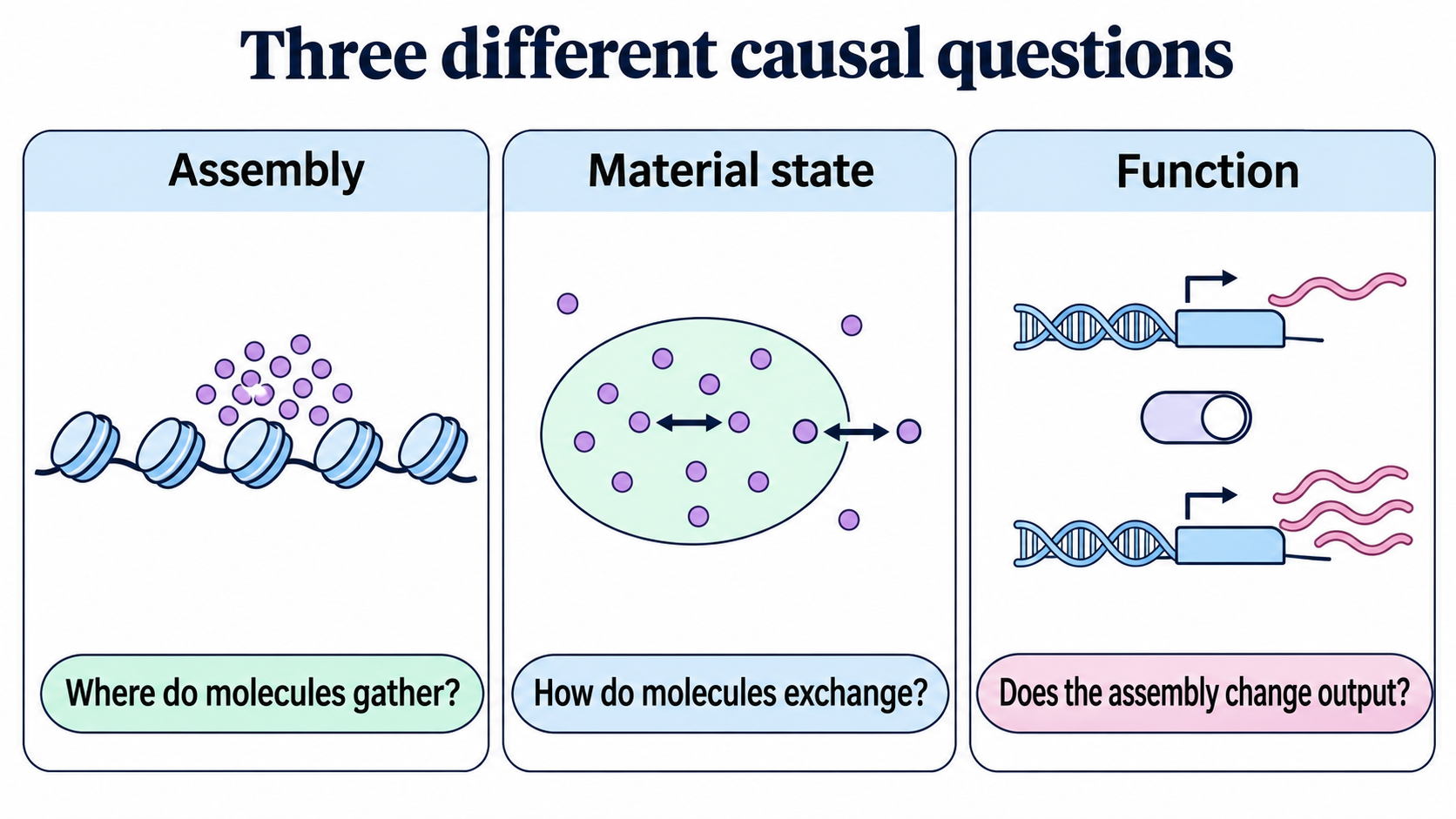
In a bulk LLPS model, a dense liquid phase coexists with a dilute phase. At a chromatin surface, a density transition can occur below the bulk saturation concentration. In other models, molecules accumulate through sequence-specific binding, bridging or polymer segregation. Gelation describes the formation of a connected network and can accompany a density transition. Each model makes different predictions about how an assembly forms, how its molecules exchange, and whether it changes gene expression or genome folding. Morin et al., 2022 · Riback et al., 2020 · Shinn et al., 2026
Evidence across the nucleus
Transcriptional hubs
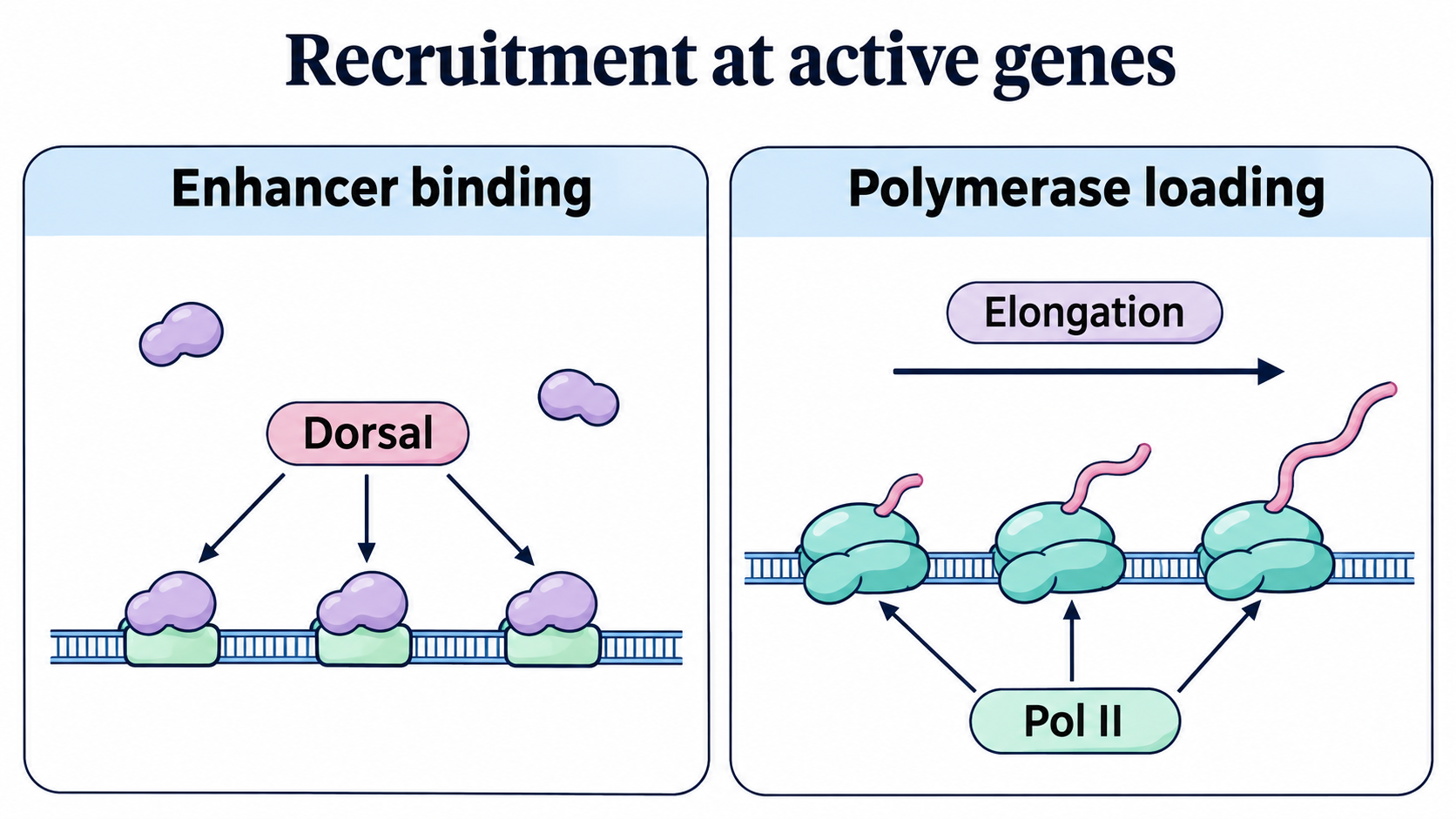
The strongest alternative is a quantitative binding model at defined loci. Fallacaro et al. tracked Dorsal in live Drosophila embryos. Increasing enhancer motif number increased local enrichment and persistence, and a model informed by single-molecule binding kinetics reproduced the observations without requiring higher-order self-assembly. At a given enhancer the measured hub properties did not reliably predict bursts within the observable windows. Cadar et al. used a different experimental design and found a narrower function. Cluster association increased polymerase loading during ongoing bursts at tested loci, while acute reduction of free nuclear Dorsal stopped transcription despite short-lived residual clusters. These results support real regulatory effects of enrichment and identify what the enrichment cannot do on its own. Dima et al. detected both DNA-bound and mobile Dorsal clusters and observed concentration-dependent onset. The mobile population may assemble differently from the enhancer-associated hubs measured by Fallacaro et al. A concentration threshold alone cannot establish that two phases coexist. Fallacaro et al., 2026 · Fallacaro et al., bioRxiv 2025 · Cadar · Dima
Pol II signal can reflect transcription already underway. Mukherjee et al. combined live embryo imaging, initiation/elongation perturbations and simulation. At the assayed active genes, a single resolvable Pol II cluster tracked the gene, depended on initiation and changed in intensity with nascent transcription. Simulated loading and elongation recapitulated enrichment. This undermines a universal interpretation of Pol II puncta as pre-existing, shared droplets that organize initiation. It leaves room for larger assemblies, cofactor demixing with Pol II as a client, and locus- or stage-specific mechanisms. Munshi et al. independently found that along the natural Bicoid gradient, cluster intensity rose with nuclear Bicoid while cluster size was approximately invariant. That behavior challenges a simple single-component droplet model along that concentration trajectory. Mukherjee et al., 2026 · Mukherjee et al., bioRxiv 2025 · Munshi
Recent mammalian data support more than one architecture. Pandey and Bogdanović and colleagues reported layered chromatin and promoter-centric nucleic-acid enrichment in large mESC Pol II assemblies. Chromatin organization at those sites was comparatively resilient to the tested Pol II or BRD4 perturbations. Pandey et al. propose that cohesin loop extrusion builds the active chromatin scaffold, on the basis of RAD21 enrichment rather than a direct cohesin perturbation. They also report that burst size, measured with Ser2P foci as a proxy, increases with Pol II cluster size. The biochemical isolation may lose transient distal contacts. The two preprints share collaborators and provide complementary measurements in the same general setting. In a related Research Square preprint, single-particle tracking found weak partitioning of mobile Pol II and stronger enrichment from chromatin binding and initiation. Pol II enrichment therefore cannot establish the phase behavior of Mediator or the rest of the body (Spille et al. preprint). At endogenous Sox2, Lin et al. observed partial overlap of enhancer- and promoter-associated OCT4/BRD4 assemblies during bursting. Yang et al. found evidence for short-lived contact-dependent activation in a deliberately engineered enhancer–promoter system and modeled how imaging delays can obscure contacts. Differences in locus and assay prevent either preprint from adjudicating a universal contact-versus-hub mechanism. Pandey preprint · Bogdanović preprint · Lin preprint · Yang preprint
DNA can support a local phase transition. Morin et al. directly observed sequence-dependent surface condensation of Klf4 on purified DNA. Klingberg et al. found differentiation-linked redistribution of transcriptional clusters across several systems that was consistent with surface condensation in their model. In live nuclei, distinguishing a surface transition from cooperative binding requires testing how local enrichment responds to both the available protein and the chromatin scaffold. Morin et al., 2022 · Klingberg et al., 2026
Some assemblies enhance transcription. Li et al. found that reconstituted, reversible, gel-like NDF–FACT assemblies promoted elongation through nucleosomes. A human induced pluripotent stem cell knock-in diminished co-condensation in vitro, FACT occupancy and elongation while preserving tested bulk binding and NDF activity. The mutation affects a secondary binding contact, leaving altered interaction valence as an alternative interpretation. Eppert et al. found that MYOCD variants shifted the condensation threshold and the transcriptional increase together. Soluble MYOCD retained activity, and the fraction of active cells and their RNA output were the principal readouts. Together, the studies identify assembly-dependent contributions to transcription under defined conditions. Li · Eppert et al.
Ye et al. offer another strong counterexample to a binding-only account. They connected RNA binding, hnRNPK condensation and Pol II recruitment in reconstitution. A knock-in allele produced more gel-like assemblies, reduced looping and lower Pol II occupancy at selected developmental genes. The disease allele disrupts a splice donor site and may therefore alter more than the material state, so the genetic phenotype cannot be assigned solely to increased rigidity. The mechanism can couple RNA recognition, physical assembly and looping in the same system. Ye et al., 2026
Heterochromatin and 3D genome folding
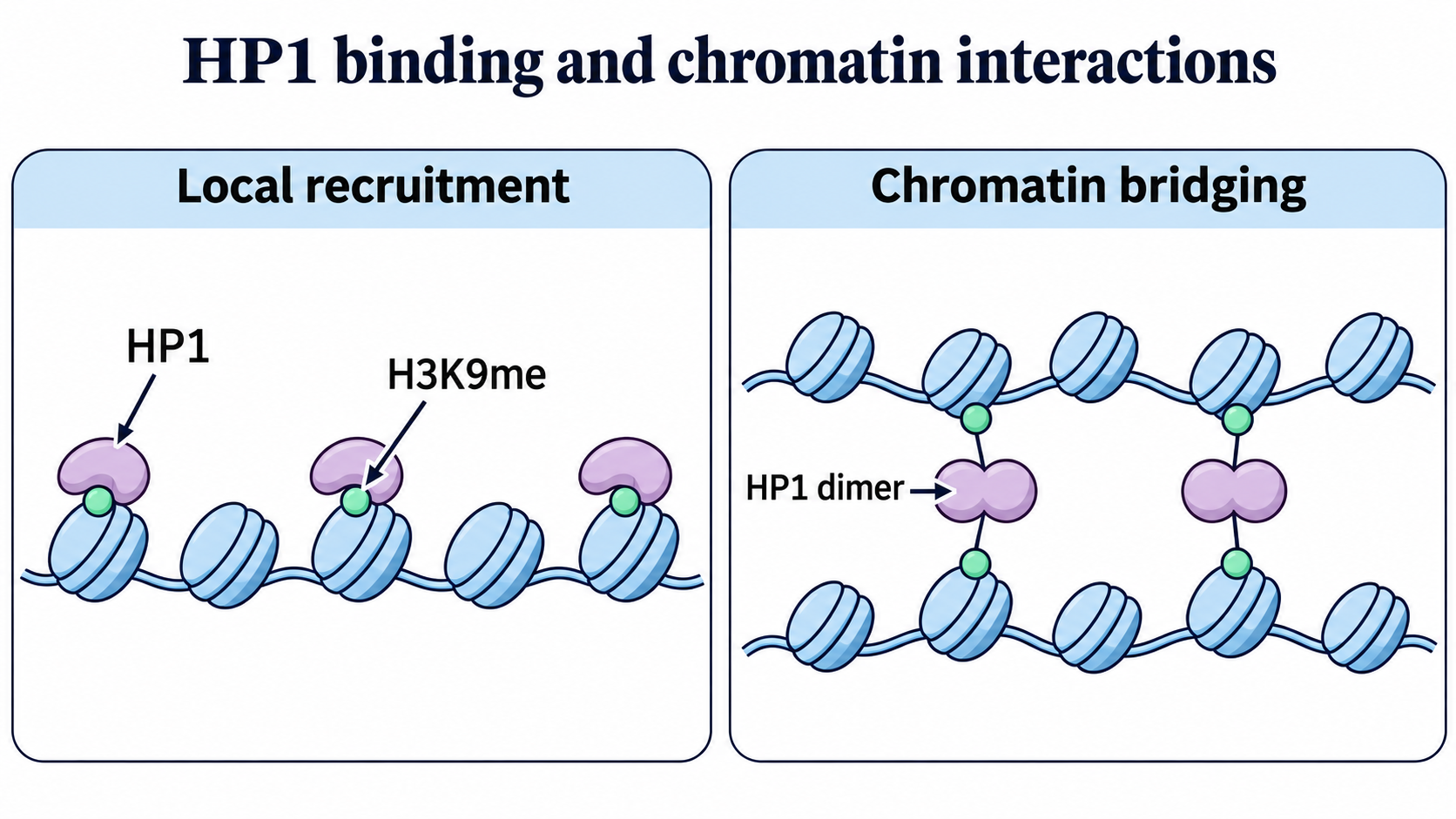
Mouse chromocenters have a direct binding-based explanation for part of their regulation. In mouse fibroblasts, Weinmann et al. found that local HP1α occupancy repressed a weaker recruited activator but could be overcome by stronger activators. Activation and decondensation occurred while H3K9me3 and granular, stoichiometrically bound HP1α persisted. HP1α-bound and transcribed nanodomains were separable. The result favors independently regulated repeat units for the tested response, with forced activation and a reporter limiting generalization. Bensaha et al. compared HP1 orthologs using the same mouse background. Fly and yeast HP1 showed stronger interfacial and coalescence signatures than mouse HP1. Compact chromocenters persisted in their HP1-null mouse cell model. Together these studies directly undermine an obligatory mouse HP1-rich liquid for the phenomena measured. Weinmann et al., 2026 · Weinmann et al., bioRxiv 2024 · Bensaha
The newer bioRxiv evidence favors specific architectural roles for HP1. Eswara et al. v2 compared dimerization- and LLPS-impaired HPL-2 mutants across reconstituted chromatin and C. elegans embryos. Their results favor dimerization as the stronger driver of the tested H3K9me-marked organization, with a supporting contribution attributed to LLPS. The phenotypes depend on how selectively the alleles alter interactions. Kuo et al. report disrupted dense packing-domain cores after acute HP1α depletion, with some domains persisting. This establishes a candidate maintenance role for HP1α and leaves crosslinking and demixing unresolved by degradation alone. Eswara preprint v2 · Kuo preprint
Phase behavior survives in other contexts and at other scales. Brennan et al. directly reconstituted tunable liquid interfaces between chromatin populations with fly HP1a. In mouse pericentric chromatin, the MBD2a study found exchange consistent with an interfacial barrier for that probe. The two observations support phase contributions in particular settings. Interfacial exchange measurements depend on the protein used as a probe and the sensitivity of the assay. Across broader euchromatic regions, acute cohesin depletion increases nucleosome motion and local intermingling without a comparable loss of overall compaction. Native nucleosome condensability also carries information about A/B compartment identity. Collectively these results favor multiple mechanisms operating across scales. Hi-C compartments, local nucleosome compaction and solvent demixing are different observations. Brennan · MBD2 study · Shimazoe · Park
Nuclear speckles
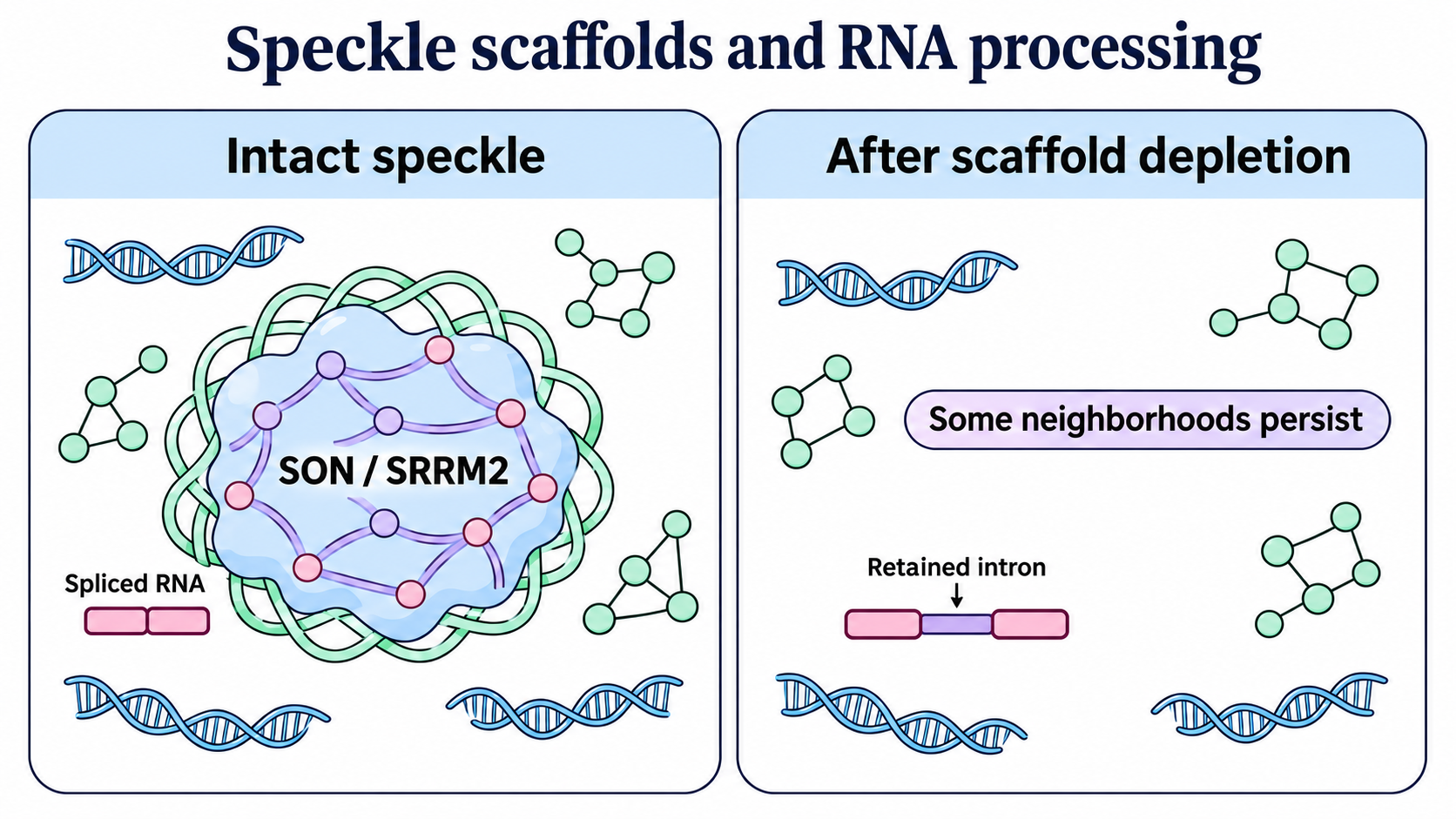
Chivukula Venkata et al. found two perispeckle protein networks and reported substantial preservation of relative active chromatin organization after four hours of acute SON/SRRM2 depletion removed recognizable speckles in HCT116 cells. Małszycki et al. used a different acute depletion system in HCT116 cells. They measured global contacts over a longer window and detected weaker compartmental segregation, clearest at 18 hours, together with changes in chromatin mobility and nuclear morphology. Relative positioning to persisting perispeckle networks and global contact segregation are distinct readouts. Changes in nascent transcription were relatively modest. The major RNA phenotype was inefficient splicing and downregulation of a subset of short-intron, GC-rich genes. Direct SON effects on weak 3′ splice sites further limit the attribution of that phenotype to the material state of the body alone. Chivukula Venkata et al., 2026 · Chivukula Venkata et al., bioRxiv 2025 · Małszycki · SON splice-site study
Speckles have internal structure. Shinn et al. reconstituted size-limited SRSF/TDP-43 microphases approximately 23–45 nm across, with in-cell SRSF assemblies consistent with aggregates of these structures. MALAT1 affects SRSF1 and TDP-43 differently. A separate SRRM2 study linked phosphorylation-dependent rheology to altered network connectivity with comparatively little change in the condensation threshold. The physical picture is compatible with coupled density and connectivity transitions in an RNA/protein scaffold. It challenges the idea of a homogeneous droplet and leaves intact a role for phase organization at smaller scales. Shinn et al., 2026 · Shinn et al., bioRxiv 2025 · Zhang
Nucleolus
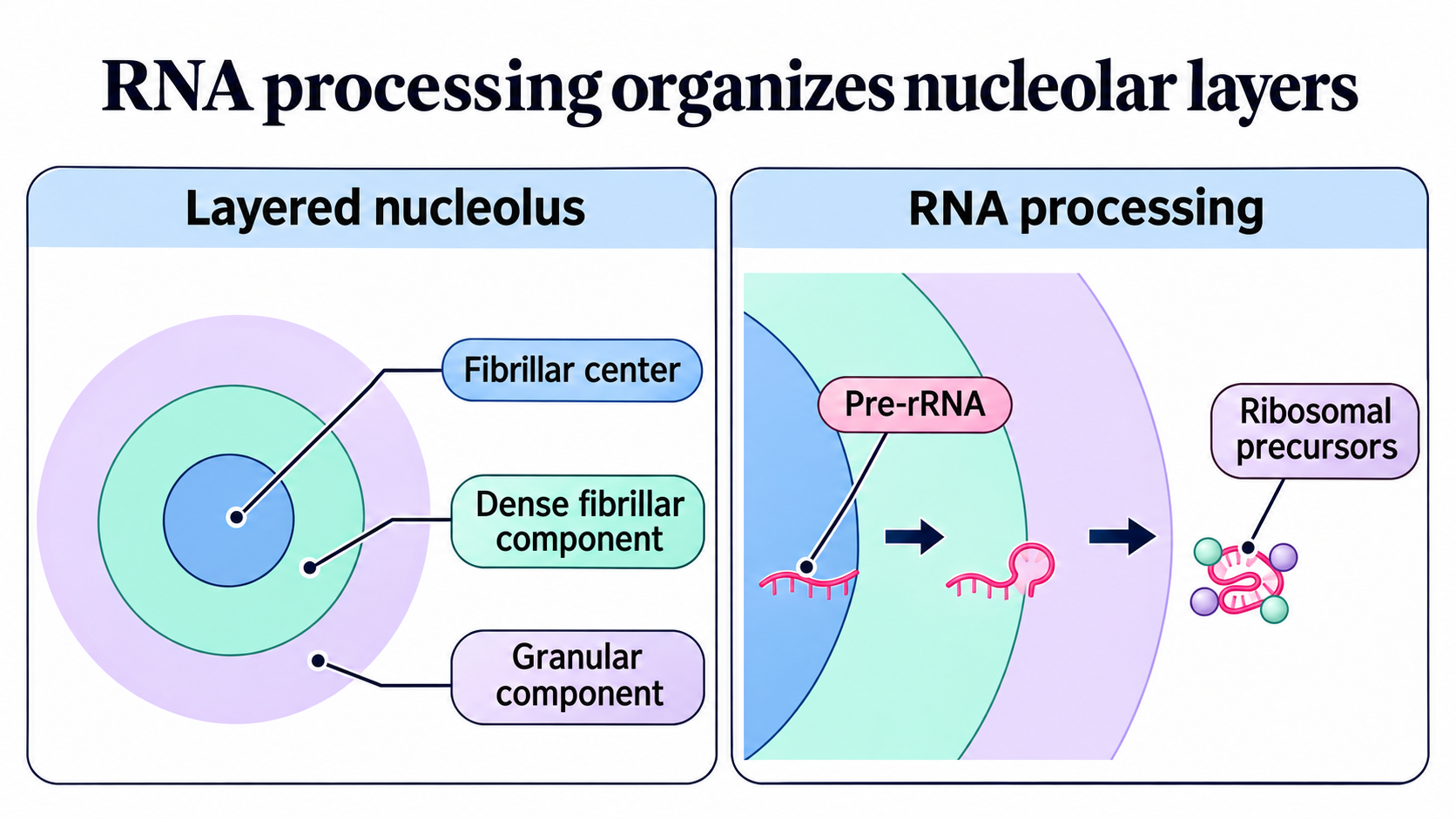
In transcriptionally active Xenopus oocyte nuclei, Cheng et al. measured interfacial and rheological properties by micropipette aspiration. The periphery was more liquid-like and the RNA-rich core more solid-like over the tested timescale. RNase A altered material properties and fluidized the core. Quinodoz et al. traced RNA through nucleolar layers and showed that perturbing small-subunit processing could alter layer ordering and inhibit rRNA outflux. Dogra et al. used super-resolution imaging and reconstitution to resolve heterogeneity within the granular component itself. The supported model combines RNA synthesis, processing and partitioning with distinct material states. Direct measurements of material properties and experimentally altered layer ordering give this model stronger physical support than morphology alone. Cheng · Quinodoz et al., 2025 · Quinodoz et al., bioRxiv 2024 · Dogra et al., 2026 · Dogra et al., bioRxiv 2025
Polycomb bodies and paraspeckles
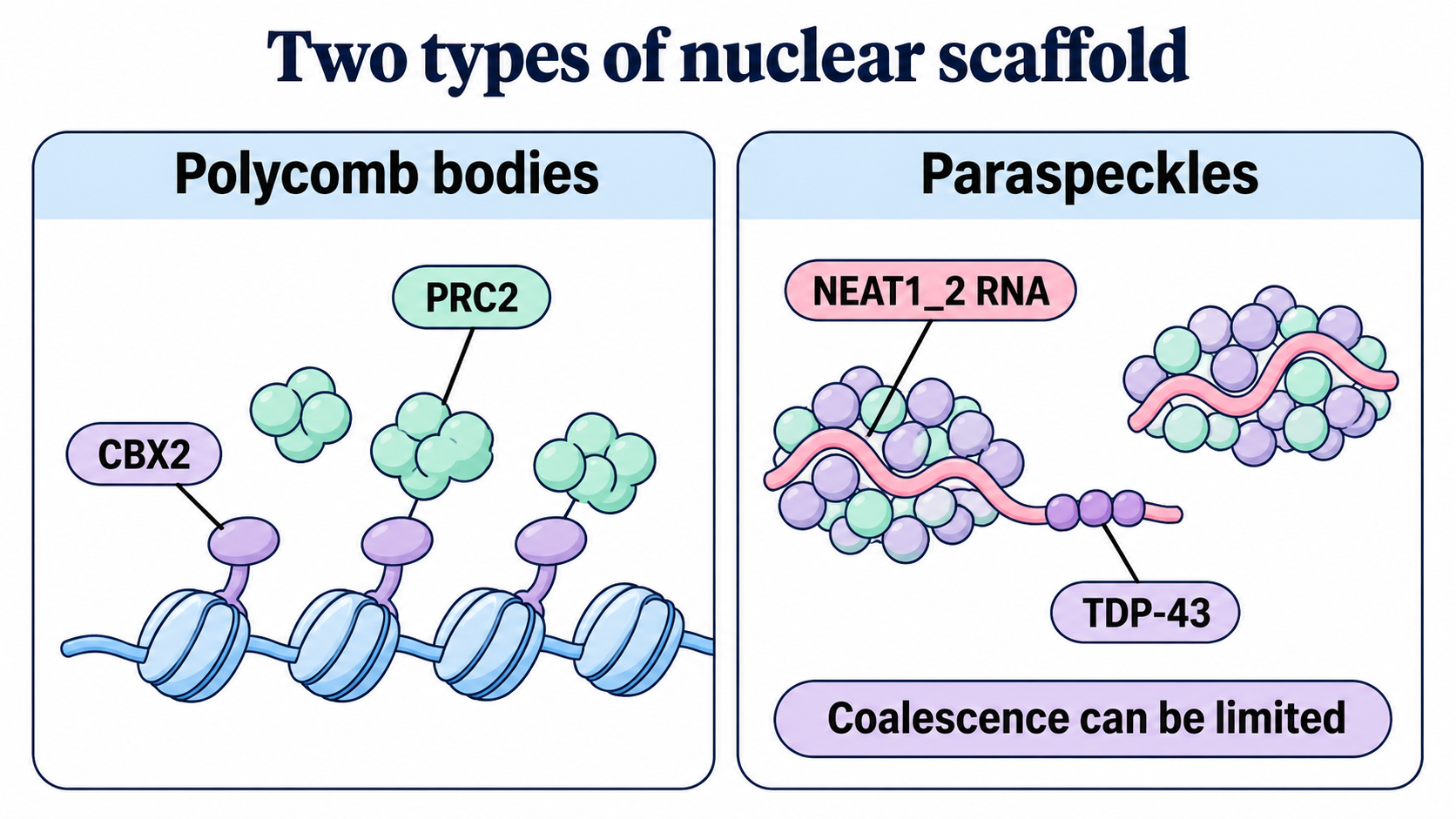
The molecular census of Ali et al. found that spatially clustered chromatin binding better fits estimated abundance and intermolecular distances in silent heterochromatin and Polycomb foci than a dense multivalent scaffold network. This is an inference from pooled biochemical and imaging inputs. It did not test polymer–polymer phase separation. Ingersoll et al. subsequently estimated approximately three CBX2 molecules per mESC Polycomb assembly, along with many other Polycomb subunits, and showed that a self-clustering-defective CBX2 variant impaired PRC2 organization. This supports a nucleation-and-bridging mechanism and cannot be interpreted from CBX2 stoichiometry alone as evidence against collective demixing. In paraspeckles, Hodgson et al. showed that RNA binding and polymerization of TDP-43 limit NEAT1₂ ribonucleoprotein coalescence. Specific polymer interactions can therefore govern both assembly and its limits. Ali · Ingersoll · Hodgson
Causal evidence by claim
| Question | What the evidence supports | What remains unresolved |
|---|---|---|
| What creates transcriptional hubs? | Enhancer-binding kinetics and polymerase loading explain enrichment at the tested Dorsal and Pol II loci. Fallacaro et al. · Mukherjee et al. | Whether mobile Dorsal clusters or particular scaffold-bound assemblies demix in cells. Dima et al. · Morin et al. |
| Does the material state change transcription? | NDF–FACT co-condensation supports elongation in reconstitution. Transcription increases near the condensation threshold for MYOCD, and soluble MYOCD also activates transcription. Li et al. · Eppert et al. | How much of the effect comes from the change in material state when binding, recruitment and expression also change. |
| Does HP1 demixing organize heterochromatin? | Local HP1α binding explains repression in tested mouse chromocenters. Worm data favor HP1 dimerization for focus formation, with a contribution from LLPS to stability. Weinmann et al. · Eswara et al., bioRxiv v2 | Which HP1 orthologs and partner proteins contribute to demixing in native chromatin. Bensaha et al. · Brennan et al. |
| How do speckles affect genome organization and RNA processing? | Relative chromatin positioning near persisting protein networks largely survives early speckle disruption. Longer depletion changes measures of compartmental segregation and impairs splicing of some GC-rich transcripts. Chivukula Venkata et al. · Małszycki et al. | How much the speckle material state contributes independently of the scaffolds’ direct roles in RNA processing. SON splice-site study |
| What organizes nucleolar layers? | Direct mechanics show distinct, RNA-dependent material properties. Perturbing rRNA processing changes layer order and inhibits rRNA outflux. Cheng et al. · Quinodoz et al. | How RNA production, processing and partitioning each contribute to the material properties of individual layers. Dogra et al. |
How assays distinguish mechanisms
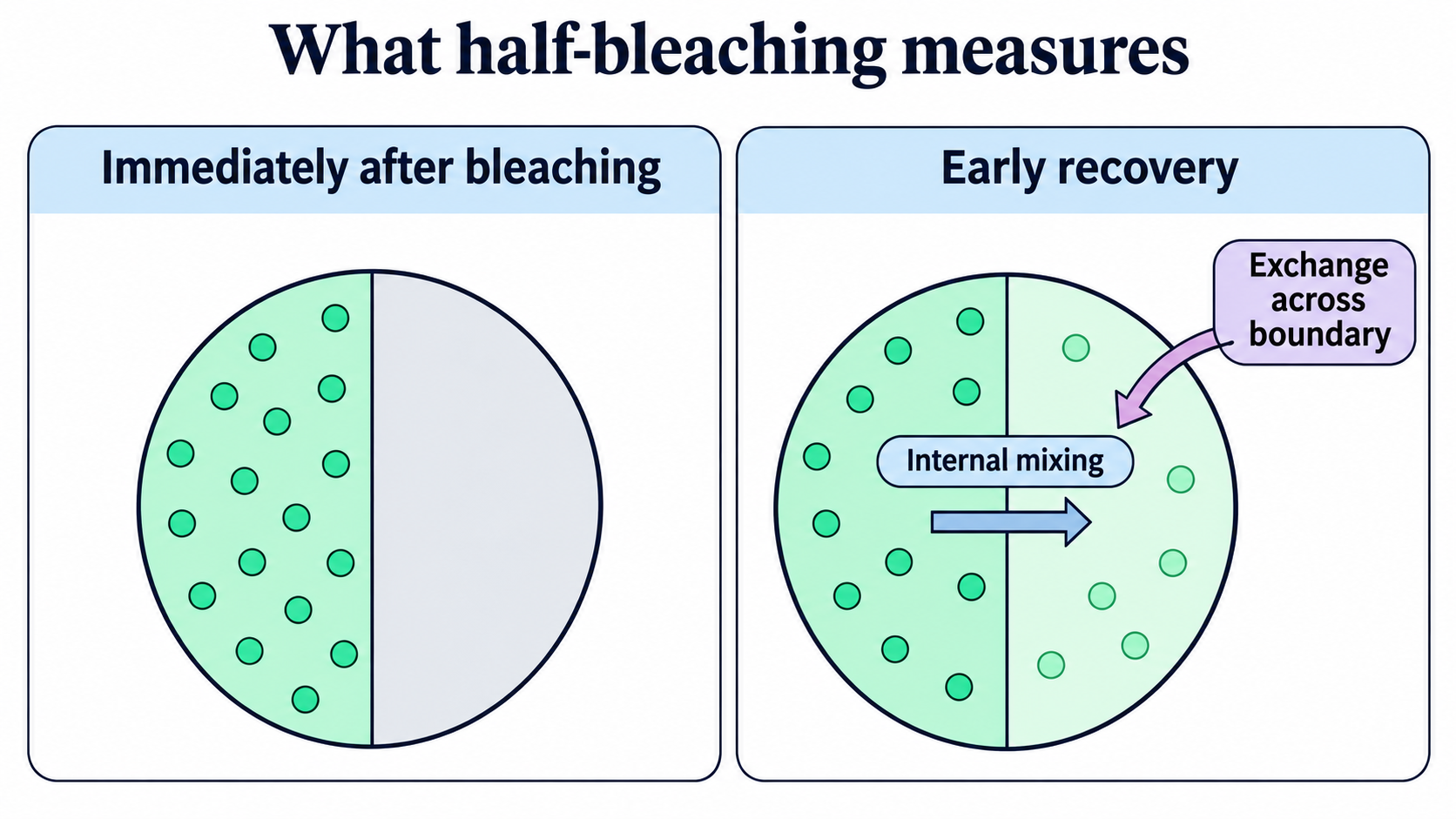
Fluorescent puncta, apparent fusion and fluorescence recovery after photobleaching (FRAP) can occur in assemblies formed by different mechanisms. A computational bioRxiv study reproduced these signatures using binding and diffusion. Calibrated half-bleaching compares internal mixing with exchange across a boundary for the measured probe. Hexanediol changes chromatin motion and compaction, while fluorescent tags and crowding agents can alter phase behavior in vitro. Saturation measurements also depend on composition in multicomponent systems. Kapoor and Mir, bioRxiv 2026 · Muzzopappa et al. · Itoh et al. · Zhou et al. · Riback et al.
What would change the verdict in a particular system?

Measure the transition in its native setting. Test binding, surface condensation and bulk coexistence models against the same data. Vary protein abundance and scaffold density independently. Measure local occupancy and concentrations inside and outside the assembly. Where the assembly is large enough to resolve, compare internal mixing with exchange across its boundary. Account for imaging resolution when estimating size and enrichment. Morin et al. · Muzzopappa et al.
Test whether the transition affects function. Pair an acute perturbation with rescue at matched expression levels. Verify that the intervention changes phase behavior while preserving the relevant DNA or RNA binding, partner recruitment and catalytic activity. Measure structural and functional effects separately, before secondary changes in cell state. If an outcome tracks the shift in phase behavior under those controls, the result would support a causal contribution of demixing in that system. Li et al. · Małszycki et al.
How this synthesis was prepared
This AI-assisted narrative synthesis draws on a targeted search of bioRxiv, PubMed Central, PubMed and publisher records, emphasizing studies from 2024 through November 19, 2026. Studies were selected for their ability to distinguish physical mechanisms. Preprints are identified where cited, and journal versions were used when available.
The synthesis cross-checked each main conclusion against studies supporting a competing explanation and distinguished evidence for assembly, material state and biological function. Consensus.ai helped locate studies and cross-check the DOI and abstract of six papers against primary records. The linked papers provide the experimental evidence.
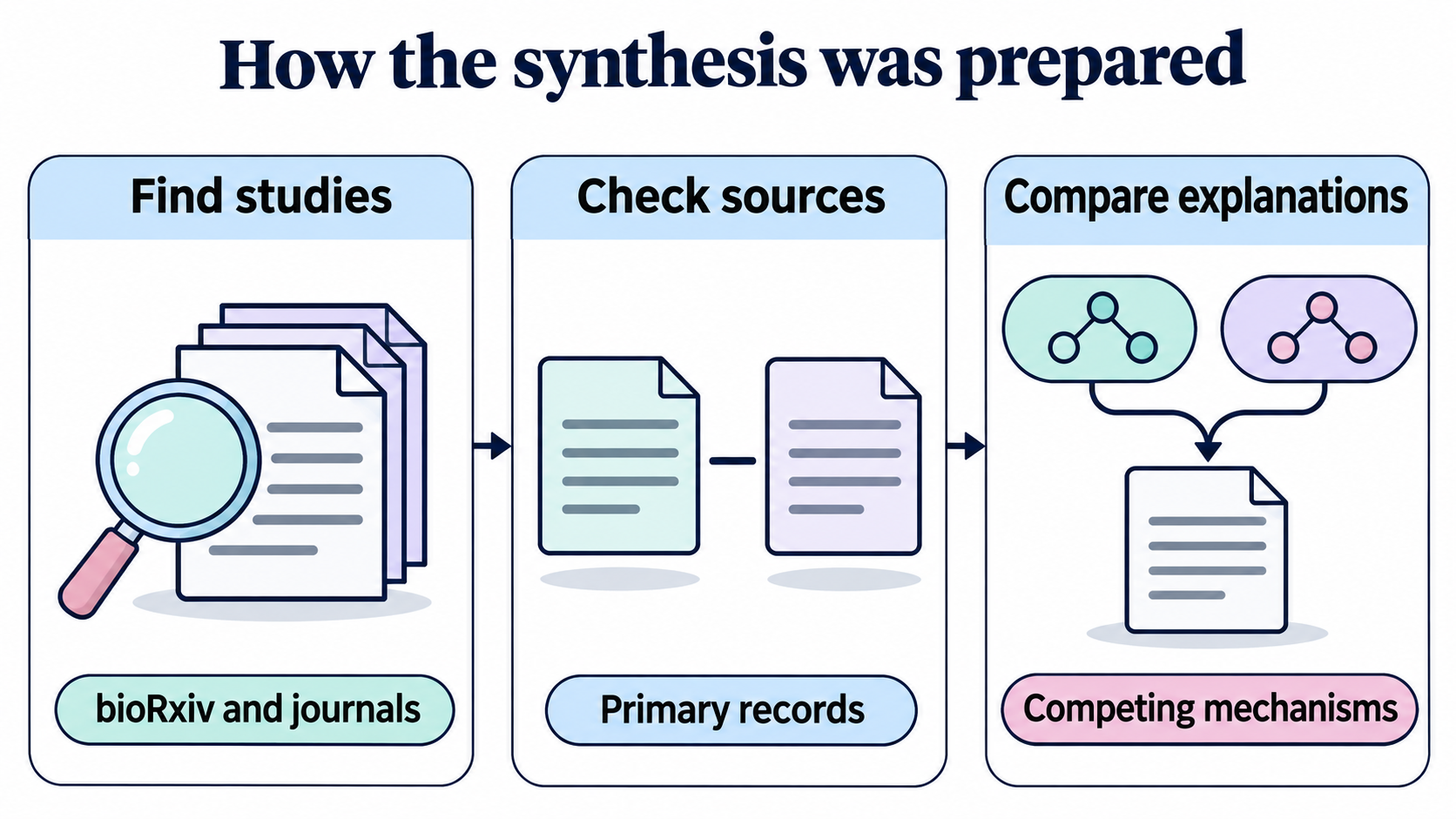
Six records cross-checked in Consensus.ai
- Enhancer binding kinetics explain transcription factor hub formation (Fallacaro et al., 2026, Science Advances)
- A single cluster of RNA Polymerase II molecules is stably associated with active genes (Mukherjee et al., 2026, Nature Communications)
- HP1α binding creates a local barrier against transcription activation and persists during chromatin decondensation (Weinmann et al., 2026, Molecular Cell)
- HP1 loses its chromatin clustering and phase separation function across evolution (Bensaha et al., 2025, Nature Communications)
- Nuclear speckles enable processing of RNA from GC-rich isochores (Małszycki et al., 2026, Cell)
- Mapping and engineering RNA-driven architecture of the multiphase nucleolus (Quinodoz et al., 2025, Nature)